

Keeping Her Work Going: Susan Hash Literacy Initiative Carries Her Legacy Forward
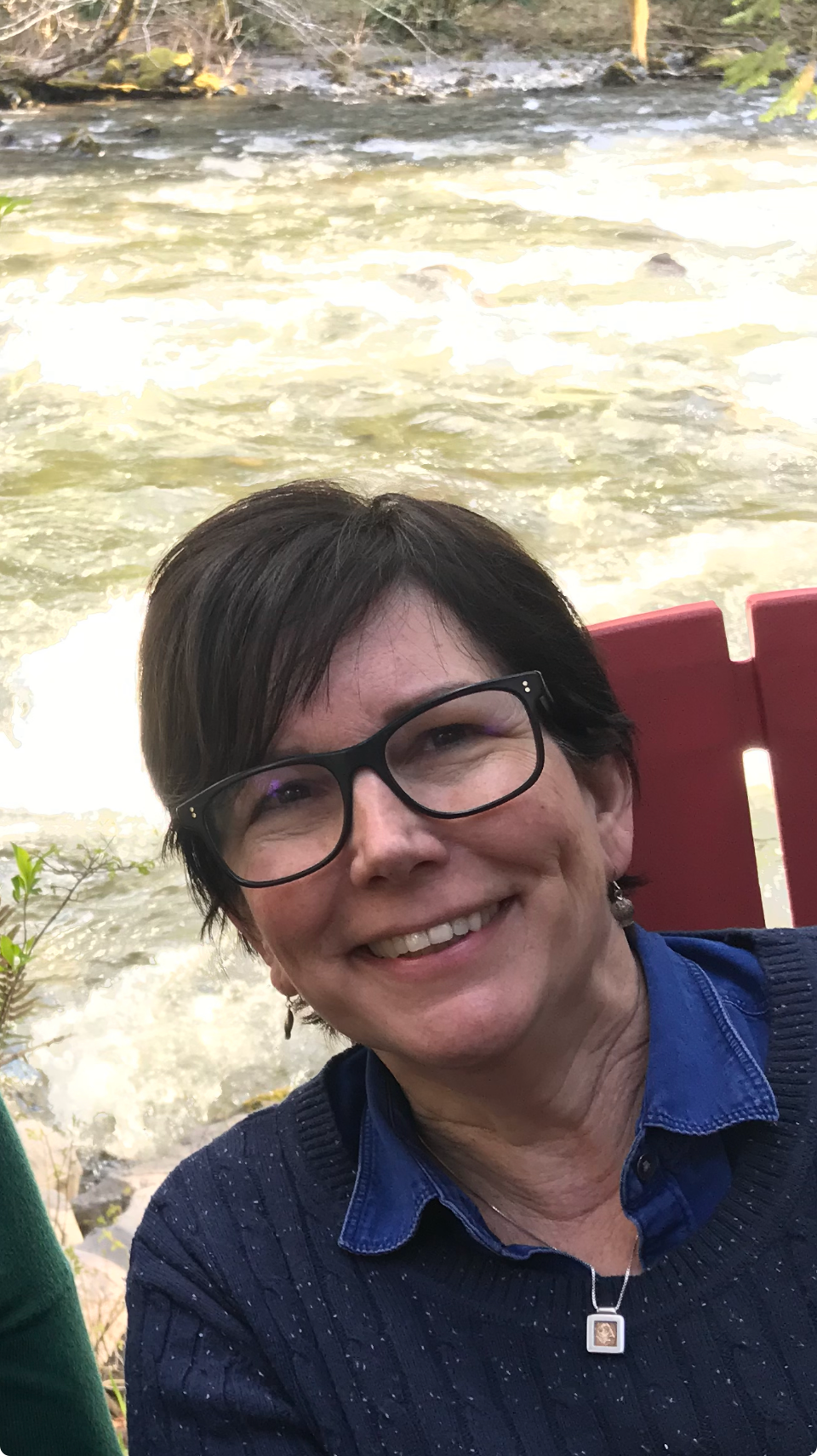
By Marie Kennedy, The Mountain Times
At his home along the Salmon River, Rocky Hash pulled up one of the Story Time videos his wife, Susan, recorded for the local libraries during the COVID-19 pandemic.
On the screen, she clapped, waved and invited children watching from home to join her.
“We clap and sing hello,” she began, before moving on to stomping, guessing games, books, and letters of the alphabet.
Rocky watched for a moment.
“That’s her voice,” he said.
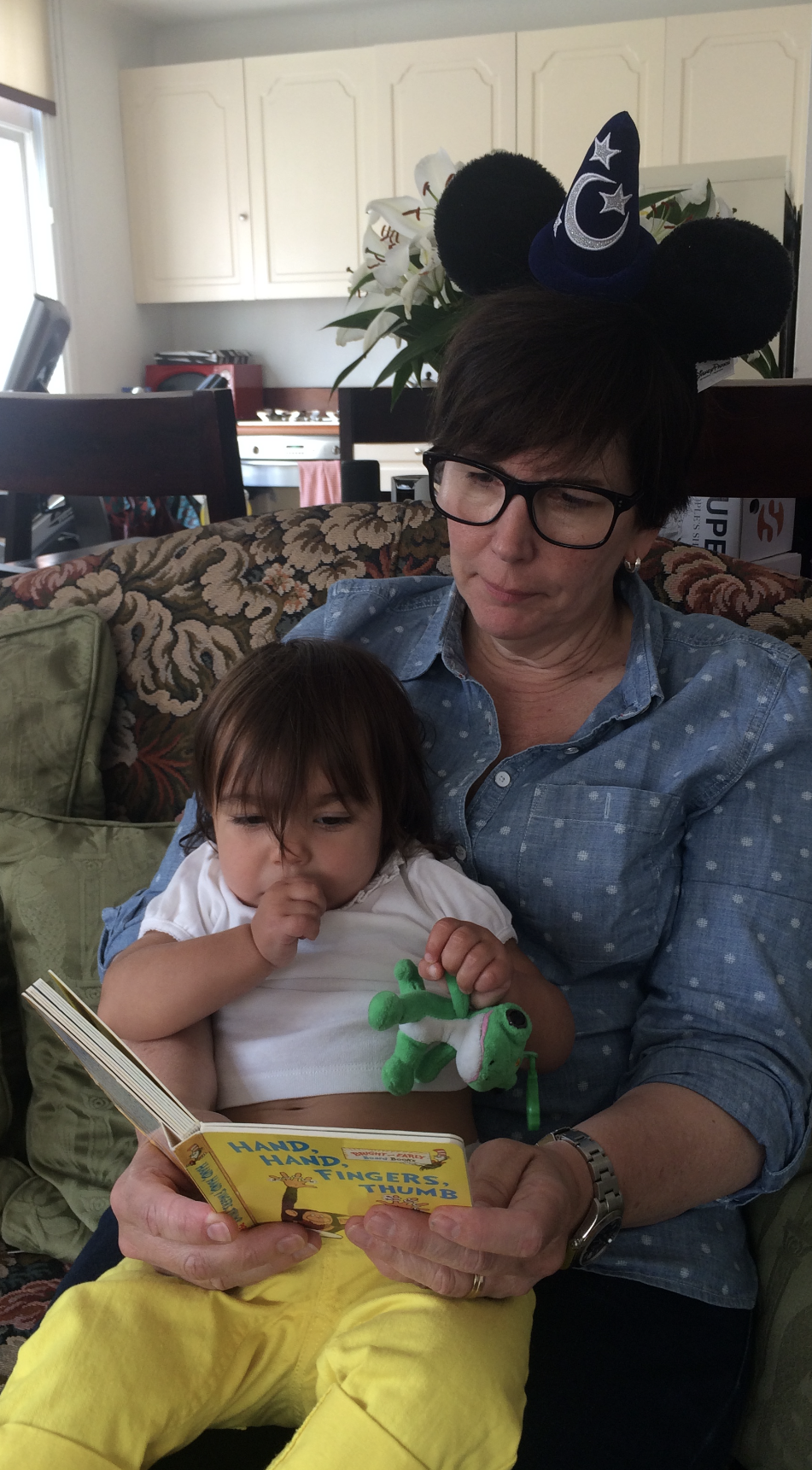
For years, children at the Hoodland and Sandy libraries knew Susan as “Miss Sue,” the woman who could turn a book into something children could sing, act out, and explore. She prepared extensively, Rocky said, but once she was in front of children, she knew how to meet them where they were.
“She would always get the children involved,” he said.
Now, a little more than a year after Susan’s death, Rocky and their three children are working to make sure the work she loved continues.
The family launched the Susan Hash Literacy Initiative on July 1 to support literacy and educational opportunities in her memory.
The initiative’s first project is helping fund a mobile library vehicle serving the Hoodland Library area. The vehicle will allow the library to take books, computer access, printing services, STEM classes, and other programs beyond its walls and into the community.
The initiative is working toward a goal of $26,986, with 100% of donations going directly to the Hoodland Public Library.
For Rocky, the project grew from a question he had been carrying since losing his wife.
“I just had been trying to think of what we could do to honor her,” he said.
Education had been woven through Susan’s life for decades.
She studied education at Seattle Pacific University and Mount Hood Community College before she and Rocky married in Estacada in 1977. After their children were born and the family began traveling for Rocky’s work as a contractor, Susan homeschooled all three children through 12th grade.
Later, while the family lived in Hattiesburg, Mississippi, she worked for the Lamar County School District, tutored at the DuBard School for Language Disorders at the University of Southern Mississippi and worked with the Mississippi Adult Literacy Program.
Some of the adults she taught had learned to navigate much of their lives without being able to read.
Rocky remembers Susan telling him about a mother who could not write a grocery list and a contractor in his early 40s who could not read signs or prepare an invoice for a customer.
One of his goals was simple: He wanted to be able to fill out an invoice and hand it to a customer.
Susan taught him how.
“She was always looking for an opportunity to help somebody,” Rocky said.
Her approach was highly individual. She used movement, songs, visual aids and whatever else helped someone connect with what they were learning.
He remembers one young student who came to their home for tutoring but could not stop looking through the window at the geese on the lake. Susan simply adjusted, redirecting his attention, and finding another way to reach him.
Rocky said Susan had an ability to capture the attention of children, including those who struggled with attention deficits.
When Susan and Rocky returned to the Mount Hood area in 2015, she began volunteering with the local library system. Before long, the library asked her to join the staff.
She eventually helped establish a tutoring program, coordinated volunteers, and worked with patrons, in addition to leading Story Time.
Story Time may have shown Susan at her most recognizable.
When the pandemic closed library doors, she took it online. In the videos Rocky still has, “Miss Sue” sings with children through the camera, asks them to trace letters in the air and encourages them to guess what animal might belong to a pair of feet in a picture book.
In another video, she introduces the letter B.
“Can you help me trace it?” she asks, moving her hand through the shape of the letter before asking children to think of words that begin with B.
Rocky said the videos capture something essential about her.
“That’s her personality,” he said. “That’s who she is.”
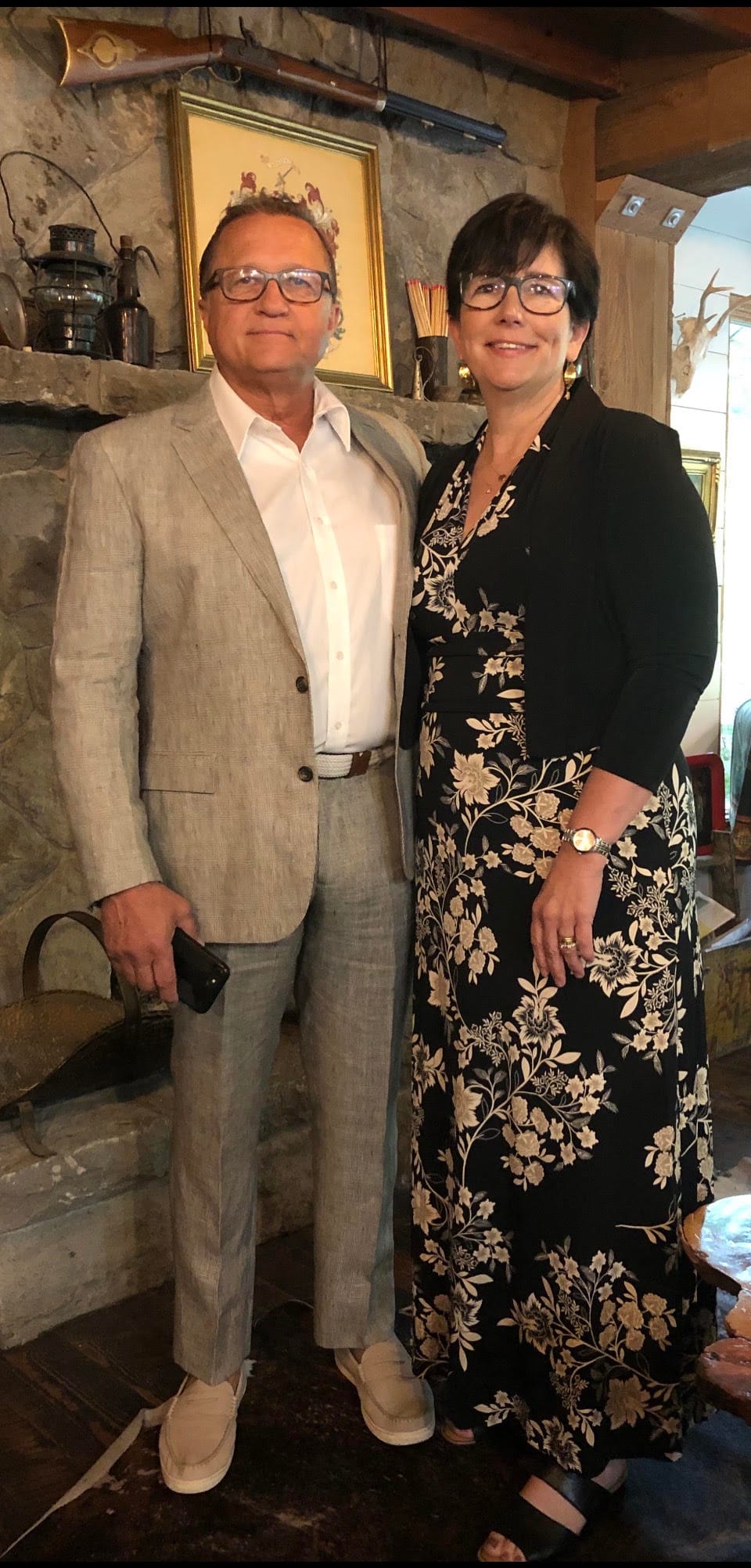
Susan and Rocky met at Estacada High School in 1972, when she was a freshman cheerleader and he was an upperclassman playing football. After hearing from a friend that Susan might have a crush on him, Rocky worked up the courage to call her and ask her to a school music event.
She turned him down. She had a boyfriend.
Rocky went anyway.
When he saw Susan with her girlfriends and no boyfriend in sight, he eventually walked over and asked if she wanted to sit with him.
She did.
A few days later, Rocky said, she broke up with the boyfriend.
They would spend nearly 54 years together.
“We became adults together,” Rocky said.
Their life included raising three children, moves across the country, Rocky’s contracting work and Susan’s teaching. It also included skiing, dancing, motorcycles and scuba diving.
“She was the most generous person I’ve ever known,” he said. “Always determined to help others, loving, caring, giving, compassionate. She was the best thing that ever happened to me.”
Even now, the past tense comes hard.
“I always have a hard time saying was,” he said. “I feel like she’s still with me in a big way.”
Susan was diagnosed with Burkitt lymphoma in 2022. After treatment in Oregon, the family sought specialized care at UC San Francisco, where she eventually reached remission. She later developed progressive multifocal leukoencephalopathy, or PML, a serious brain disease Rocky said resulted from her treatment.
Susan died July 1, 2025, in Welches. She was 66.
The literacy initiative was not something the couple had planned during her illness. Rocky said Susan expected to recover and was eager to return to work.
It was only afterward, as Rocky and their children talked about how to honor her, that the idea began to take shape.
His son reminded him of something Susan often said.
“Literacy is the gateway of opportunity,” Rocky said.
To Susan, literacy was the foundation for everything that followed, from math and science to imagination, creativity and a lifelong desire to learn.
For now, Rocky hopes the initiative can help complete funding for the mobile library. After that, he would like to see it continue, possibly supporting tutoring or other educational projects. He does not yet know exactly what form the next project will take.
That part can come later.
For Rocky, the purpose is already clear.
“What could we do to honor her,” he said, “and to keep her doing what she loved to do?”
For more information or to contribute, go to SusanHashInitiative.com.