

Whole Tooth
By Dr. Robert Kelly, DMD, For The Mountain Times
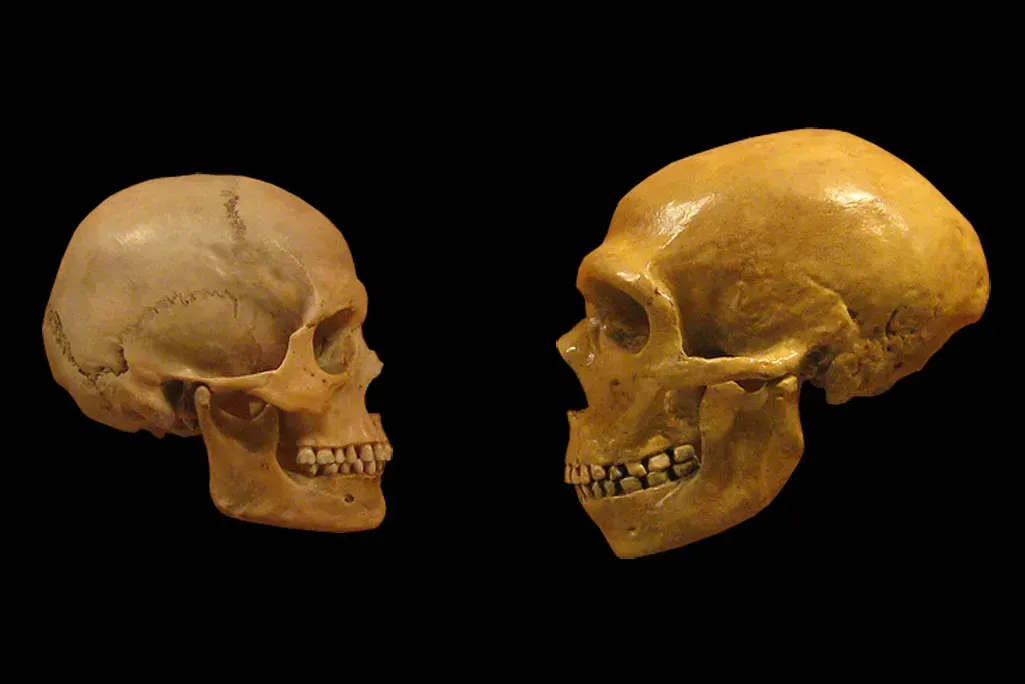
Last month I talked about the amazing archeological findings of Neanderthal teeth and how they discovered ancient dental work on them dating back to 59,000 years ago. I also posed the question of whether the Neanderthals or ancient human ancestors were better or worse off than we are when it came to dental problems like cavities.
Well, the answer is that they win.They actually had less cavities than we do now. Their main problem was extreme physical wear on their teeth from eating tough and uncooked foods leading to their teeth being ground down faster over time.
Back then their diet was very different from our modern human diet. This was back before all the refined sugars and processed carbohydrates that we have in our diet today. Their hunter gatherer diet of animal meat, plants, and nuts did not provide much fuel for bacteria in their mouth to produce cavities, saving them from a lifetime of tooth decay that many of us experience in our modern world. In fact, it is suspected that the biological make up of their mouths lacked the same plethora of harmful bacteria that feed off modern sugary diets which release acid and cause cavities.
Things changed about 10,000 years ago in what is called the Neolithic Period and it all started with farming. Society started agricultural farming, shifting away from the hunter- gatherer lifestyle and this introduced new foods that were high in carbohydrates and starchy sticky diets which caused the rate of cavities and gum disease to skyrocket. Fast forward to the modern world and we have even more heavily processed foods which are contributing to a rise in cavities and gum disease in modern society. Ironically, if they were smarter about what they ate, it makes you wonder if we can really call ourselves more “modern.”
Another problem they did not have much of compared to us is teeth crowding. Their jaws were bigger and accommodated all their teeth better, including the wisdom teeth. So it is assumed that crowding of teeth and removal of wisdom teeth, which is so common in our day and age, was not really a thing tens of thousands of years ago. That’s right, no braces, Invisalign, or Orthodontists (specialists who straighten teeth) back then. Just a whole lot of chewing with tough fibrous foods, arguably a lot less fun eating than these days.
Another factor that contributed to the excessive wear of their teeth was that they used their teeth as tools at times, which created abrasions and grooves in their teeth. That’s right: when there was not a tool handy, that’s what teeth were for. It reminds me of a patient who was a fly-fishing instructor. He had a notch in his front teeth that fit perfectly for cutting fishing line and other things while he was actively fishing. He made it a point to remind me often to never fix his tooth because it’ll take a long time to wear the perfect notch back into it again!