Photography in the Summertime
Summer is here, and for landscape photographers, it can be one of the most challenging seasons of the year. The scenery can become dry and colorless.
By Gary Randall, For The Mountain Times
Summer is here, and for landscape photographers, it can be one of the most challenging seasons of the year. The scenery can become dry and colorless. Grasses turn brown, creeks begin to shrink, and the vibrant green moss of spring starts to fade. Sunrises are so danged early, and sunsets are so danged late that getting out with a camera can require a little extra commitment.
Years ago, when I was still learning photography, those things bothered me more than they do today. Experience has taught me that every season has its opportunities. Summer simply asks us to look a little harder for them.
We are fortunate to live in an area that offers some of the best summer photography opportunities anywhere. The Columbia River Gorge waterfalls and Mount Hood provide subjects that remain beautiful long after many other landscapes have dried out.
The waterfalls of the Gorge pay little attention to the season. While some smaller streams slow down during the summer months, many of the major waterfalls continue to flow. The grottos surrounding the falls remain cool and moist, and the constant spray helps keep mosses and ferns alive when the surrounding hillsides begin to brown. The Gorge rewards photographers who are willing to spend time exploring its trails and hidden corners.
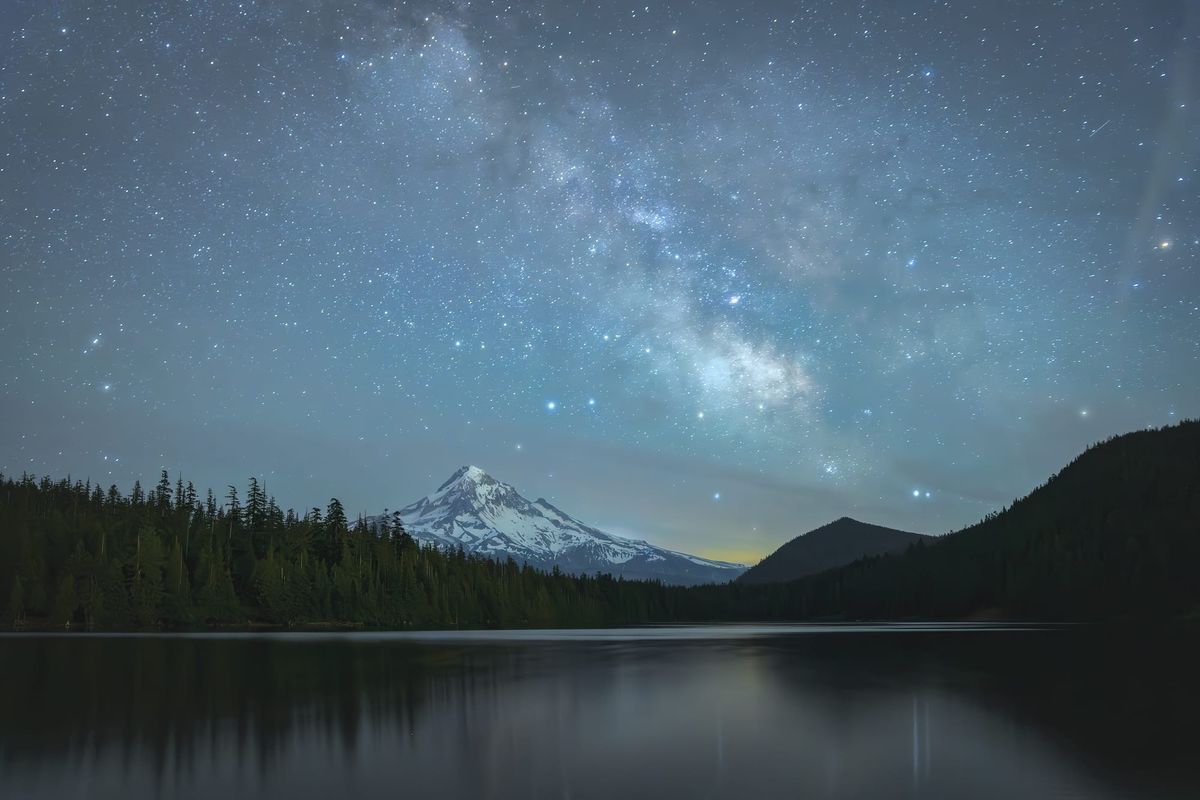
Then there is Mount Hood, sitting right in our backyard. Summer is the season when wildflowers begin their climb toward higher elevations. By mid-summer, colorful blooms can often be found above Timberline, creating beautiful foregrounds for mountain photographs. On clear nights, Mount Hood becomes one of the finest locations in Oregon for photographing the stars.
One of my favorite summer photography adventures is to arrive at a scenic location before sunset, photograph the evening light, stay through the night capturing the Milky Way, and then finish with sunrise. It makes for a long day, but there is something special about watching the landscape change from golden evening light to starlight and then back to the soft colors of dawn. A midday nap afterward feels pretty good too.
Summer also changes the way we use our camera gear. Bright sunlight often requires tools that give us a little more control over the light. A neutral density filter can reduce the amount of light entering the lens, allowing longer exposures that soften moving water or drifting clouds. A circular polarizer is another valuable tool during the summer months. It reduces glare and reflections from water, wet rocks, and foliage while often making colors appear richer and more saturated.
One surprise for many photographers is that a tripod becomes less necessary during the bright days of summer. With plenty of available light, shutter speeds are often fast enough for handheld photography. Leaving the tripod behind on occasion can make it easier to explore trails, discover new compositions, and move more freely through the landscape.
Summer does not mean it's time to put the camera away and wait for autumn colors, winter snow, or the lush greens of spring. The season presents its own challenges, but it also offers unique opportunities. Sometimes all it takes is a willingness to adjust your expectations, head outside, and see the landscape with fresh eyes.