
Wildfire Ready Open House Focuses on Preparation, Power Shutoffs, and Home Protection
Preparing for wildfire season means more than packing a go bag. For many mountain residents, a Public Safety Power Shutoff can also mean losing water, septic systems, cell and internet connectivity, refrigeration, and other essential services for days at a time.
By Marie Kennedy, The Mountain Times
Preparing for wildfire season means more than packing a go bag. For many mountain residents, a Public Safety Power Shutoff can also mean losing water, septic systems, cell and internet connectivity, refrigeration, and other essential services for days at a time.
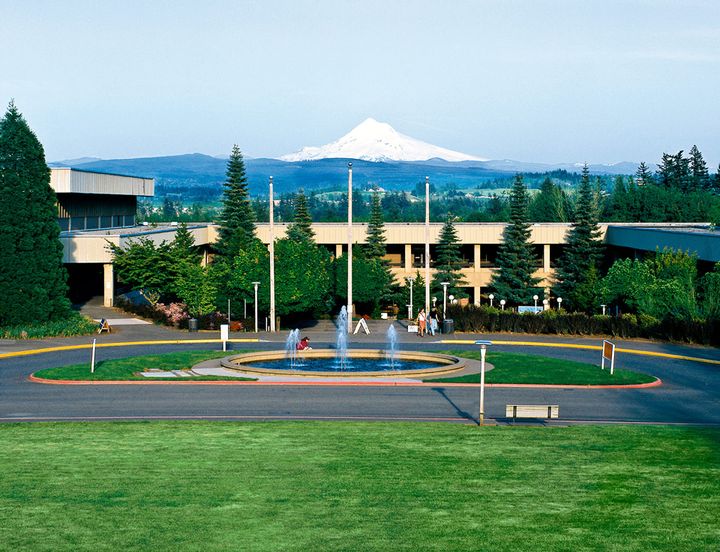
That message was front and center during Portland General Electric's Wildfire Ready Open House on May 27 at the Sandy Community and Senior Center, where residents met with representatives from emergency management agencies, fire districts, and wildfire mitigation programs to learn how to prepare for the months ahead.
The event was the final stop in a series of Wildfire Ready Open Houses held throughout PGE's service territory this spring.
"We're here at the Wildfire Ready event in Sandy, Oregon, with many of our agency partners and community members to help people understand what they can do to stay safe during wildfire season," said Debbie Powell, PGE vice president of utility operations.
Powell said one of the most important steps residents can take is ensuring they can receive timely information if conditions warrant a Public Safety Power Shutoff, or PSPS.
"We're asking folks to have a plan and to update their contact information so that if we're communicating with them about a potential Public Safety Power Shutoff in their area, they can receive that communication and be informed about what's going on," Powell said.
For mountain residents, maintaining communications during an emergency can be a challenge. The Hoodland CPO created the Hoodland Emergency Communication Network, which uses GMRS and amateur radio operators to share information when traditional communications are disrupted. The network was tested during flooding in late 2025 and has grown to 88 licensed users.
PGE uses PSPS as a last-resort safety measure during extreme wildfire conditions when weather, vegetation, and other factors increase the risk of fire. Utility representatives encouraged residents to prepare emergency kits, plan for extended outages and consider how they would access water, communications, and other necessities if power is unavailable.
Powell said wildfire preparedness depends on cooperation among utilities, emergency responders, and community organizations.
"Wildfire is a risk that affects everybody, and no one entity can solve that wildfire risk by themselves," Powell said. "Having community partners who know the people in the community and are helping inform residents about actions they can take is super critical."
Representatives also discussed some of the measures PGE is taking to reduce wildfire risk, including fire detection cameras, weather monitoring stations, vegetation management, and infrastructure improvements.
According to PGE, the utility has deployed Pano AI cameras capable of detecting potential fire starts and alerting first responders. Approximately 90 weather stations across PGE's service territory help monitor changing conditions and provide data used in wildfire planning and response.
Clackamas Fire District Wildland Division Chief Brent Olson said residents can improve their safety and increase firefighters' chances of successfully protecting homes by preparing before an emergency occurs.
"Prepare around your home. Have a plan and if evacuations are called, in and of itself, that will lower individuals' anxiety and provide firefighters like myself a better chance of protecting their home," Olson said.
Olson said Clackamas Fire provides emergency medical services, structural fire protection, and wildfire response throughout the area. The district also maintains a 20-person Type 2 Initial Attack hand crew and staffs a Type 3 helicopter during periods of elevated fire danger.
Homeowners interested in reducing wildfire risk around their properties learned about home ignition zone assessments available through AntFarm Youth Services.
"We can have a certified mitigation specialist come out, walk around with homeowners, in the area around their home, and give them recommendations on home hardening and vegetation management that they might do to reduce the risk of home loss in a wildfire," said Logan Hancock, AntFarm's wildfire mitigation program manager.
Jamie Poole, deputy disaster manager with Clackamas County Disaster Management, said community preparedness relies on strong partnerships among agencies and organizations.
"It takes a whole community to respond to a disaster, and we are proud and thankful to our partners for all the relationships in the preparation for the wildfire season within Clackamas County," Poole said.
The open house featured booths and information from PGE, Clackamas Fire District, Clackamas County Disaster Management, the U.S. Forest Service, AntFarm Youth Services, the American Red Cross, Bonneville Power Administration, and other organizations. Attendees were able to speak directly with subject-matter experts, learn about wildfire prevention efforts, and gather resources to help prepare their homes and families for wildfire season.