
Is He On 'The Home Place?'
By Dave Wenzel, For the Mountain Times
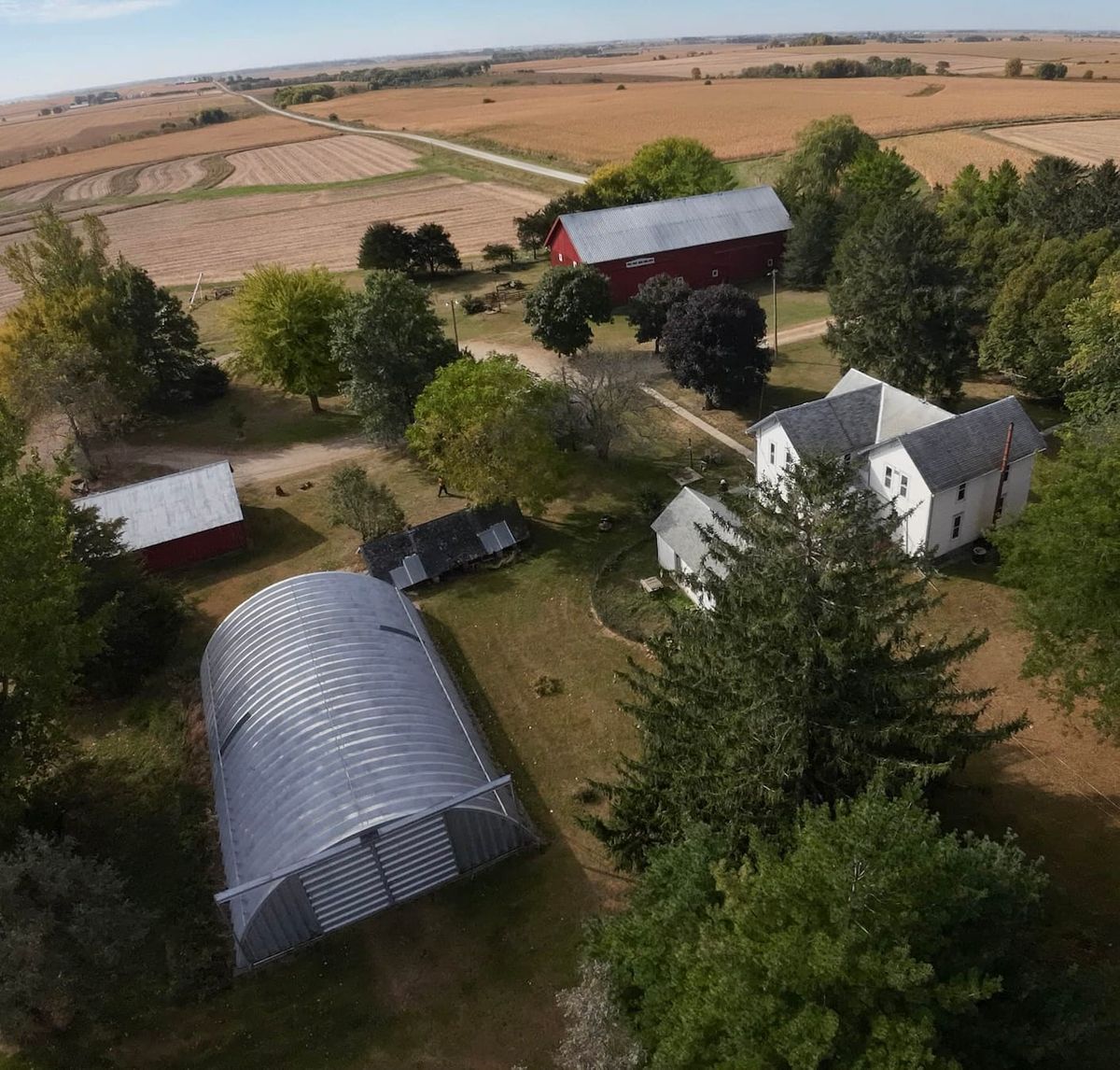
A few years back I was in Iowa visiting my Uncle Herman. He is an increasingly rare breed. He farms 140 acres by himself, mainly doing beans and corn. He is surrounded by thousands of acres of corporate farms with giant tractors guided by GPS and satellites. I was chatting with a farmer from a neighboring community and he asked about my uncle. His first question was, "Is he on The Home Place?" Those of you from the Midwest likely know exactly what he was asking. He wanted to know if my uncle was farming acreage owned by our family going back a couple of generations or more.
The phrase has always stayed with me.
There is something powerful about the idea of a home place. It is more than land ownership. It is a place where stories accumulate. Births, deaths, successes, failures, droughts, harvests, celebrations, and heartbreaks all become attached to a particular patch of earth. Over time, the land becomes part of the family narrative.
When Herman bought his farm, he purchased it from a farmer named Walter. Walter retired and moved into town, only five miles away. The farm had been in Walter’s family for three generations. Years afterward Walter would regularly drive out to the farm, sit on the front porch, and spend the day there.
Walter wasn't coming back to inspect the farm. He wasn't checking up on Herman. He was returning to a place that had shaped him. Every fence line held memories. Every field represented thousands of decisions and thousands of days of work. The farm wasn't simply property. It was part of his identity. It was his Home Place.
Humans form attachments not only to people, but also to places.
As I thought about Walter, I thought about how mountain communities have their own version of "the home place."
For some people, it may be a cabin that has been in the family for generations. But for many others, it is something less tangible. It is Welches. Or Rhododendron. Or Zigzag. Or Government Camp. It is the trail they walk every morning, the river they fish, the mountain they see out their window, or the neighbors who show up when the snow gets deep.
Most of us will never inherit a family property like a farm. Many of us have moved multiple times during our lives. Yet the longing remains the same. We want a place where we belong.
The good news is that belonging is not created by ownership. It is created by participation.
We become attached to places the same way we become attached to people - through time, attention, care, and shared experience. We volunteer at community events. We learn the names of our neighbors. We watch children grow up. We go to the same breakfast spot. Store clerks know us. We shovel snow, attend fundraisers, mourn losses, celebrate victories, and become part of the ongoing story of a place.
Eventually, a community stops being somewhere we live and becomes somewhere we belong.
Perhaps that is what a home place really is.
Not necessarily a piece of property that has been passed down through generations, but a place where our story becomes intertwined with the stories of others. A place that shapes us and, in some small way, is shaped by us in return.
And maybe, years from now, when someone asks whether you're "on the home place," the answer won't depend on what your deed says. It will depend on whether you've found a community that feels like home.