


Mt. Hood Snowpack Falls to Historic Lows, Impacting Ski Season and Local Businesses
- Amber Ford
- Mar 5
- 3 min read

Although the end of February provided some much needed winter weather in The Mt. Hood National Forest, reports indicate that this winter’s snowpack is at critically low levels. With little to no snow over the holiday season and January and February producing spring-like temperatures, Mt. Hood’s pristine snow-covered base was almost nonexistent.
According to The National Oceanic and Atmospheric Administration [NOAA], as of mid February, the snowpack on Mt. Hood was around 34-36% of the median for the season, marking one of the lowest snowpack levels since 1980. While this time of year traditionally offers favorable conditions at ski resorts, mid-February depths at Mt. Hood Meadows were at approximately 41-47 inches, with Timberline Lodge at approximately 51 inches. Snow levels were so drastically low between January and February that operations were suspended several times at Mt. Hood Skibowl, with little to no snow falling at Government Camp.
As terrain on the mountain remained harsh throughout the beginning of the year, many winter sports enthusiasts were left without their ski and snowboard fixes. Pass holders at Timberline and Mt. Hood Meadows were left with very few rideable days. Some even chose not to go at all: low snowpack presents specific dangers to inexperienced riders and beginners, and, by association, to pass holders.
Winter sports offer community members a chance to not only enjoy the recreation opportunities in their own backyards: they also provide residents mental and physical outlets. “The lack of snow has definitely affected people up here,” Mt. Hood resident and winter sports enthusiast Rebecca Tarbox said. “For people who actually work up there in a more tangible way, and for me it’s left a pretty difficult void in my emotional well-being bank,” Tarbox added.
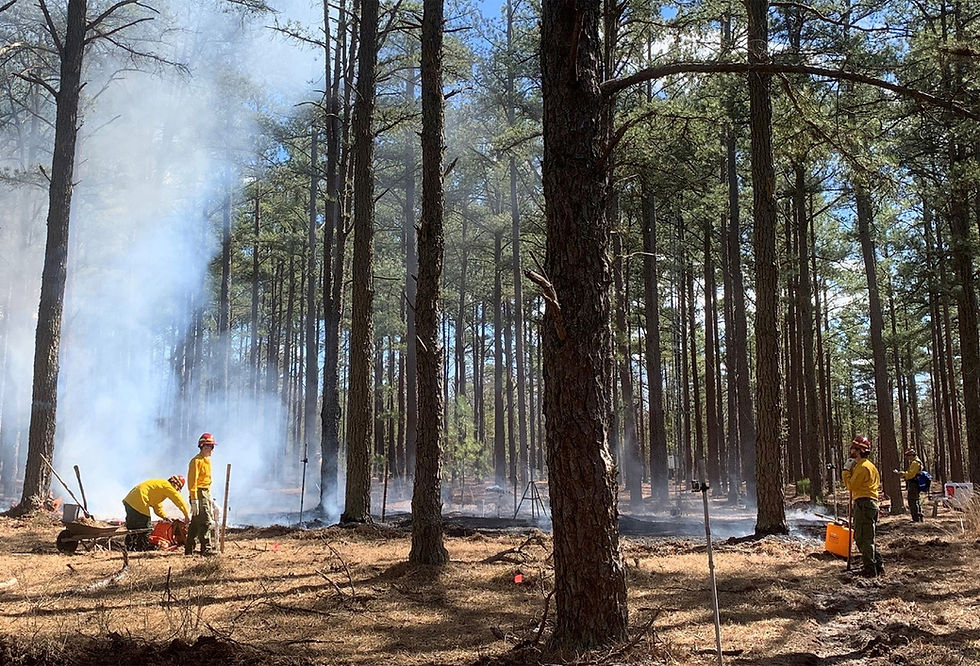
The low snowpack level affects a number of natural resources and could likely increase fire danger this summer. The lack of winter weather has also resulted in a slower season for many local bars, restaurants, and service industry-related businesses.. Unlike winter seasons past, restaurants and bars between The Mt. Hood Villages and Government Camp have seen a significant decline in tourism, citing lack of snow as the main driver behind the numbers.
Tourism is the main source of income for those living in The Mt. Hood Villages, and the decline in lengthy stays at resorts, hotels, and short term rentals has heavily impacted businesses and those in the hospitality industry. Emma Urlwin, owner of Mt. Hood Cleaning, has seen a definite difference between this winter and last. With guests canceling or shortening their vacations, Urlwin acknowledges how the lack of winter weather has had a negative impact on her business and livelihood. “It’s just really scary for business,” Urlwin said. “This time of year we rely so heavily on people coming up to the mountain for winter sports,” Urlwin added. With check-ins minimal and those nonexistent tourists not shopping, eating, or drinking in local establishments, businesses all across the board are seeing the ripple effect from the lack of snow. “When conditions are consistently this bad, all local businesses struggle” Urlwin said.
The lack of snow has not only affected the Mt. Hood National Forest and Mt. Hood Villages, but many areas across the Pacific Northwest and West Coast. Ski resorts in Northern Washington, Montana, Idaho, and Northern California have also felt the impacts of this winter. Snowpack has been so scarce in these areas that the federal government officially declared those regions as in a “snow drought” by late January.
Although some snow has recently blessed the snowpack, base levels remain below average. And while it will take more winter storms to regain proper depths, Mt. Hood Villages residents – both winter sports enthusiasts and business owners alike – hold out hope that March will bring some St. Patrick’s Day luck for a wintery and wonderful end of the season.


Comments